How to Tell a Fake Denim Tears Hoodie From the Real Thing: A Practical Guide
Demand has run high since Tremaine Emory founded Denim Tears in 2019 and the cotton wreath became one of streetwear’s most recognisable graphics, and counterfeits follow demand wherever it goes. That popularity has produced a steady supply of replicas, some crude, some genuinely careful. No single detail authenticates a garment by itself, which is why guides promising one magic check tend to mislead people. The method that works is accumulation: seven separate observations which either agree or start to contradict. Everything below is something you can see, feel or measure yourself, needing no special equipment and no supposed insider knowledge. Run the checks in sequence, since the first few frequently settle the matter before the rest are required.
Check 1: Vet the Seller Before You Examine the Hoodie
The seller is the strongest single signal available, which means authentication starts long before the parcel arrives. Check the age of the account, its completed sales, and whether the feedback relates to the same category of goods. An account two weeks old with a dozen identical listings across every size is behaving like a replica wholesaler, not like someone clearing a wardrobe. Request extra photographs shot specifically for you, ideally beside a handwritten note with the date, since counterfeit sellers recycle stock imagery. Pay attention to how they answer as well: a genuine private seller will say where and roughly when they bought it, while a replica seller deflects into cotton wreath shirt vague reassurance. Marketplaces that run their own physical authentication step take some of the risk off you, though none of them is infallible.
Check 2: Study the Cotton Wreath Print Closely
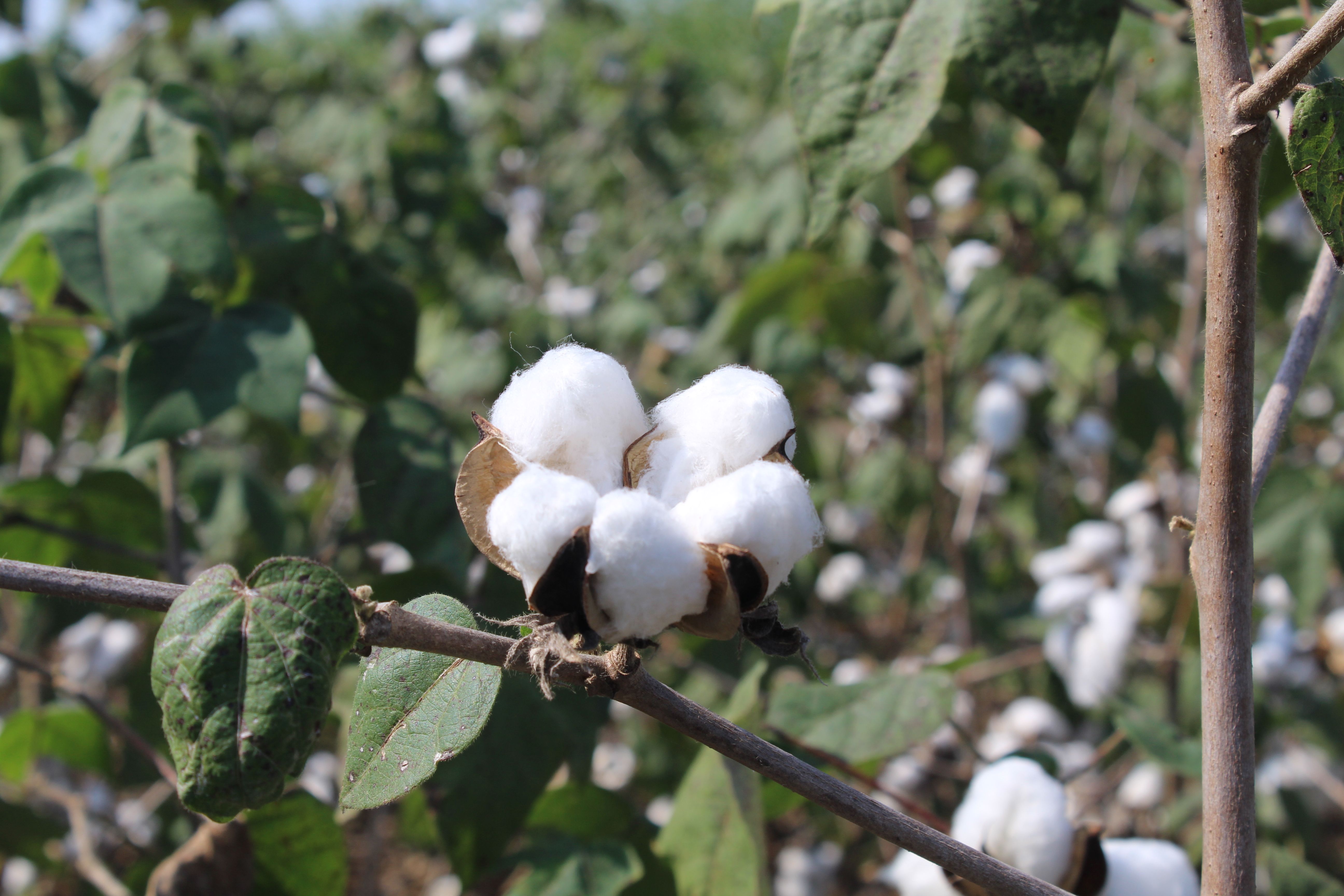
Slow, careful inspection is worth it on the wreath graphic, since nothing on the garment is harder to reproduce properly. On a well-made piece the print sits evenly across the chest without ripples, with the edge of every shape holding clean instead of bleeding into the fleece. Watch the consistent ink density, since thin patchy zones or a chalky finish point to one cheap pass on a poorly set up machine. Check colour separation as well, confirming that adjacent tones meet crisply instead of bleeding together. Feel the print: good screen work has some body but stays flexible, while a stiff plastic slab that lifts at the edges is a warning. Finally, check placement and scale against a few confirmed retail photographs, since replicas often print the graphic slightly too large or an inch too high.
Check 3: Fabric Weight First, Interior Second
Genuine pieces at this price are made from substantial fleece, and of everything on a garment, weight is one of the hardest things to fake. Expect a dense hand around 12 to 14 oz, roughly 400 to 480 gsm, clearly heavier than a 280 gsm high-street denim hoodie. Turn the garment inside out and examine the interior, where good loopback or brushed fleece reads as even and dense instead of a thin layer that pills under a fingernail. Lift a panel against the light, since cheap cloth passes more light and shows a loose, irregular knit. The drape counts as well, since heavy fleece hangs with real weight instead of clinging or floating. Should a hoodie costing hundreds feel like a promotional sweatshirt, trust that impression.
Check 4: Cross-Check Every Label Against Every Other Label
Instead of memorising label details you cannot verify, check the labels against each other for internal consistency, which is where replicas usually break down. Every label on one garment should share the same production logic: matching stitch quality, matching material, matching print sharpness. A crisp neck label sitting next to a blurred, crooked care label is the kind of contradiction genuine production rarely produces. Read the care and content information and confirm that it matches the garment in your hands, because a stated fibre composition that contradicts the fabric is a serious problem. Confirm that labels are sewn straight, fully caught in the seam, and not fraying after light handling. Look at the typography as well, looking not for hidden codes but for plain tells: uneven spacing, an odd-looking weight, misspelled words.
Check 5: Examine the Stitching and the Small Parts
Construction quality reveals itself where a garment takes strain, which is why you begin at the cuffs, hem, armholes and pocket openings. A seam should carry the same stitch density from end to end, with no loose, wandering or skipped stitches. Check for reinforcement at the obvious points, especially at the ends of the kangaroo pocket where hands pull hardest. Flip the garment inside out and check the seam allowances are cleanly finished instead of raw and dropping threads. Give the small components equal attention, so confirm the drawcord tips are properly fixed instead of glued and lifting, and that the eyelets sit flush and even without splitting the surrounding fabric. Pull the cuff ribbing gently: it should recover its shape at once instead of staying slack.
Check 6: Check the Measurements Against the Promised Size
Because counterfeit patterns come from photographs rather than specifications, they drift, which is what makes an objective measurement so useful. Spread the hoodie flat, then take pit to pit across the chest, collar base to hem for the length, and shoulder seam to cuff for the sleeve. Compare those figures against published measurements for the same nominal size, allowing a tolerance of about half an inch, or one to one and a half centimetres. If a large comes up three inches narrower than expected, that is not natural variation but a different pattern. Measure both sleeves too, because uneven lengths point to careless cutting. Run the same test on denim tears jeans, and on the sweatpants plenty of shoppers look for as denim tear pants, since the logic holds across the catalogue.
Check 7: Treat Tags and Receipts as the Weakest Evidence
Let tags, dust bags, cards and printed receipts confirm a conclusion rather than form one, since they are the simplest elements to reproduce. They still tell you something when their quality contradicts the garment, a flimsy tag on an otherwise well-made piece, for instance. Check that any hang tag hangs where you would expect and has not been reattached through a fresh hole in the fabric. Be sceptical of screenshots of order confirmations, since they are easily edited and frequently reused across many listings. A physical receipt from a recognised stockist carries slightly more weight, but it still proves only that someone once bought something. Give all of it about ten percent of the decision, and let fabric, print and construction do the remaining work.
Green Flags and Red Flags at a Glance
The table condenses those checks into a comparison you can run in a few minutes. Treat it as a scoring sheet rather than a pass-fail gate, by tallying the rows that fall on either side. One ambiguous row on an otherwise strong garment is normal, since real production always involves natural variation. Once three or more rows sit in the right-hand column, stop the purchase. A good counterfeit is built to pass some of these rows, which is exactly why the running count matters more than any single line. Where inspecting in person is impossible, insist on detailed photographs covering every area listed here before you pay.
| What to check | What a genuine piece looks like | Common red flag |
|---|---|---|
| Weight of the fabric | Substantial fleece, roughly 400 to 480 gsm | Thin and light, translucent under light |
| Edge quality of the print | Neat edges, even ink density, supple to the touch | Edges that feather, patchy ink, a rigid plastic hand |
| All labels | Consistent quality across all labels | Mismatched sharpness, crooked, fraying |
| Seam work | Even density, reinforced stress points | Stitches skipped, thread ends hanging |
| The measurements | Sits within about 0.5 in of the published specs | Off by 2 in or more, uneven sleeves |
| The price | Broadly in line with the 2026 market range | Far below any credible estimate |
If the Purchase Is Already Made
Finding a problem after payment is frustrating but rarely hopeless, and speed matters far more than anger. Record everything first, since the evidence loses force as soon as the piece is worn or washed. Most marketplace protections run on short windows measured in days, so establish the deadline before any negotiation starts. Hold the whole conversation on the platform, because shifting to private messages generally voids buyer protection. Keep it factual, pointing to specific observable defects rather than vague suspicion. What follows is the sequence that tends to work.
- Photograph the print, the labels, the seams and a tape measure laid across the chest.
- Keep the packaging, and leave the garment unwashed and unworn.
- Before the return window closes, raise the formal dispute.
- Point to concrete discrepancies, for instance measurements two inches off spec.
- Leave escalation to your payment provider until that process is over.
Authenticating a denim tears hoodie comes down to discipline rather than a shortcut. Deal with sellers whose behaviour is transparent, assess the piece on fabric, print and construction, leaving paperwork until last. The cotton wreath carries a history that deserves to be represented accurately, and counterfeit production serves neither that history nor the buyer. Give it the extra twenty minutes, and a search for denimtears finishes in a piece you can wear without doubt.