
Understanding gambling addiction A pathway to awareness and recovery
What is Gambling Addiction?
Gambling addiction, also known as compulsive gambling, is a behavioral disorder characterized by an uncontrollable urge to gamble despite the negative consequences. Individuals suffering from this addiction often find themselves preoccupied with gambling-related thoughts and activities, which can lead to significant disruptions in personal and professional lives. The thrill of winning can create a compelling cycle, making it difficult for individuals to recognize when their behavior has crossed the line into addiction. Many people enjoy engaging in various games online, including the Chicken Road crash game, but it’s essential to be aware of the risks involved.
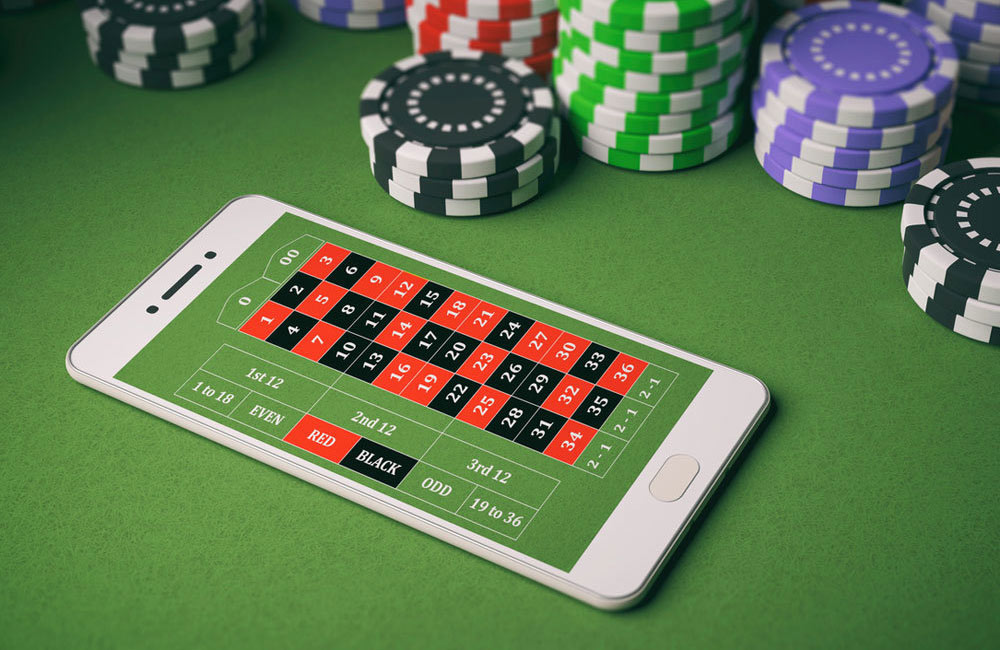
This form of addiction can manifest in various ways, from excessive spending on lottery tickets to engaging in high-stakes poker games. Understanding the signs of gambling addiction is crucial, as many individuals may not realize the extent of their problem until it has caused considerable harm to their relationships, finances, and mental health.
Signs and Symptoms of Gambling Addiction
Identifying the signs of gambling addiction is an important step toward recovery. Common symptoms include a constant need to gamble with increasing amounts of money, restlessness or irritability when trying to cut down on gambling, and chasing losses by continuing to gamble after losing money. Furthermore, individuals may lie to family members or friends about the extent of their gambling behavior, further isolating themselves from support systems.
Emotional distress, anxiety, and depression are also prevalent among those struggling with gambling addiction. This mental health impact can exacerbate the cycle of addiction, making recovery more challenging. Acknowledging these symptoms can lead to seeking help and beginning the journey toward recovery.
The Role of Technology in Gambling Addiction
The rise of technology has transformed the gambling landscape, making it more accessible than ever. Online casinos and mobile gaming apps allow individuals to gamble from the comfort of their homes, increasing the risk of addiction. These platforms often utilize persuasive techniques, like bonus offers and targeted advertisements, to encourage continuous play, which can be detrimental for vulnerable individuals. The overall impact of technology on gambling has raised concerns about the ease with which individuals can develop gambling issues.
Moreover, social media has played a significant role in normalizing gambling culture, often glamorizing the lifestyle associated with winning large sums of money. This pervasive exposure can lead to a distorted perception of gambling as a safe and entertaining activity rather than a potentially harmful addiction. Recognizing the impact of technology is vital in addressing gambling addiction effectively.
Pathways to Recovery
Recovery from gambling addiction is a multifaceted process that often requires professional assistance. Therapy options such as cognitive-behavioral therapy (CBT) have proven effective, as they help individuals identify and alter unhealthy thought patterns surrounding gambling. Support groups, such as Gamblers Anonymous, provide a safe space for individuals to share their experiences and gain encouragement from others facing similar challenges.
Developing coping strategies and finding alternative activities are also crucial for recovery. Engaging in hobbies, establishing a strong support system, and practicing mindfulness can help individuals rebuild their lives outside of gambling. Understanding that recovery is a journey, not a destination, allows individuals to embrace their progress and setbacks along the way.

Resources for Help and Support
Numerous resources are available for those seeking support for gambling addiction. Many organizations offer helplines, counseling services, and educational materials to help individuals understand their addiction better and explore recovery options. Additionally, online forums and support groups can provide valuable peer support, allowing individuals to connect with others who have faced similar struggles.
It’s important to remember that seeking help is a sign of strength, not weakness. Whether through professional treatment or community support, individuals can take meaningful steps toward reclaiming their lives from the grip of gambling addiction. Understanding and utilizing these resources is essential in the journey to recovery.










