
Understanding Luck in Gambling
Luck is an inherent element of gambling that plays a pivotal role in determining the outcome of various games. It represents the unpredictable aspects of chance that can lead to significant wins or losses. In games like slot machines or roulette, players have no control over the results, as these outcomes are purely based on random number generation. Many enthusiasts also explore nrl betting in hopes of amplifying their thrill, as the excitement of potentially hitting a jackpot can create an exhilarating experience that is hard to resist, appealing to the human desire for unexpected rewards.
For instance, a player might hit a massive win on a slot machine, despite having little to no understanding of how the game functions. This scenario exemplifies the allure of luck in gambling, where chance can overshadow skill. Such moments can lead individuals to believe in the omnipresence of luck, creating an illusion that anyone can be a winner simply by playing their favorite games, irrespective of strategy or experience. This perception can be dangerously misleading, as it may lead to unrealistic expectations about winning.
However, relying solely on luck can often lead to financial losses. Many inexperienced gamblers enter games with high expectations based on a few lucky streaks, only to find themselves on a downward spiral when luck turns against them. This unpredictability highlights the double-edged sword of luck in gambling; while it can provide moments of joy, it can also lead to disillusionment and financial challenges if one does not approach gambling with a balanced mindset. Understanding the role of luck in gambling is essential for developing a more informed and responsible approach to gaming.
The Power of Skill in Gambling
In contrast to luck, skill plays a crucial role in various gambling forms, particularly in games that require strategy and decision-making, such as poker and blackjack. Skilled players utilize their knowledge of game mechanics, probability, and opponent behavior to enhance their chances of winning. A seasoned poker player, for example, can read their opponents’ body language and betting patterns, making informed decisions that can significantly increase their odds of success. This ability to analyze situations and make calculated choices is what separates the skilled player from the casual gambler.
Skillful players also possess a deep understanding of the mathematical aspects of gambling. They calculate odds, assess risk, and apply effective strategies based on statistical analysis. This level of awareness enables them to make calculated bets, manage their bankroll effectively, and minimize losses. For example, in blackjack, a skilled player may use card counting techniques to gain an edge over the house, showcasing how strategic play can lead to consistent success. This demonstrates that while luck may initiate a win, it is often the skill that sustains it.
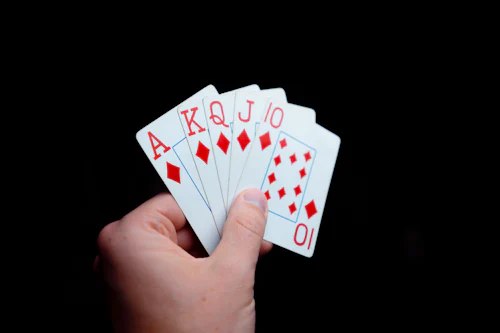
Moreover, the development of skill takes time, practice, and dedication. Unlike luck, which is random and fleeting, skill can be nurtured and refined over countless hours of gameplay. This distinction is crucial for aspiring gamblers who wish to improve their chances of winning. By investing time in learning and perfecting their skills, players can transition from relying on lady luck to crafting their path to success through informed choices and strategic play. Ultimately, skill empowers players to take control of their gambling experience, leading to more sustainable success.
The Balance Between Luck and Skill
The dynamic interplay between luck and skill is what makes gambling such an intriguing subject. While certain games are predominantly luck-based, skill can also influence outcomes in these scenarios. For example, in a game like craps, players rely on the roll of the dice, yet their betting strategies can affect the overall experience and potential winnings. Understanding when to take risks and when to play conservatively can be a skill in itself, demonstrating how skill can complement luck. Players who can effectively balance these two elements often find themselves with a more enjoyable and profitable gaming experience.
This balance is particularly evident in mixed games, such as poker, where players must navigate both the unpredictability of dealt cards and the strategic elements of their play. Players who can adapt their strategies based on the current game dynamics will often outperform those who rely solely on luck. This adaptability illustrates that while luck can provide the initial advantage, skills that evolve and adapt can sustain long-term success in gambling. The ability to adjust one’s strategy in response to changing conditions is a hallmark of a proficient gambler.
Furthermore, acknowledging the balance between these elements can lead to a healthier gambling attitude. Players who understand that skill can enhance their chances of winning may develop better bankroll management practices, thus decreasing the likelihood of chasing losses fueled by a belief in luck alone. This perspective can transform gambling from a reckless pursuit into a more calculated and enjoyable endeavor, where players appreciate the role of both chance and strategy in their gaming experiences. Ultimately, the most successful gamblers are those who recognize the importance of both skill and luck in their pursuits.
The Psychological Impact of Luck and Skill
The psychological effects of luck versus skill in gambling cannot be overstated. Many gamblers exhibit cognitive biases that can distort their perception of success, often overestimating the role of luck in their wins while underestimating the significance of skill. This illusion of control can lead to what is popularly known as the “gambler’s fallacy,” where individuals believe that future outcomes will be influenced by past events, despite gambling being fundamentally random. Such misconceptions can lead to poor decision-making and increased risks as players chase losses or attempt to replicate previous successes.

Moreover, the thrill associated with luck can create a compelling narrative around gambling, often overshadowing the importance of skill. Players may enter a gaming environment driven by stories of big wins fueled by sheer luck, leading them to believe they, too, can replicate similar outcomes. This psychological allure can result in irrational betting behaviors, where players ignore their financial limits in pursuit of a perceived lucky streak. Understanding these psychological traps is crucial for developing a more disciplined approach to gambling.
Conversely, recognizing the importance of skill can cultivate a more disciplined approach to gambling. Those who approach games with a strategic mindset often experience lower levels of frustration and disappointment. Understanding that consistent success requires both practice and patience allows gamblers to enjoy the process, building a more sustainable relationship with gambling. This balance promotes a healthier outlook, where victories are earned through skill rather than a fleeting coincidence of luck. Emphasizing skill over luck can significantly enhance a player’s overall experience and success in gambling.
Explore More on Gambling Insights
For those intrigued by the intricate dynamics of gambling, understanding the relationship between luck and skill is essential. A wealth of resources is available for players eager to enhance their strategic skills while navigating the unpredictable nature of luck. Whether through online courses, books, or engaging with experienced players, individuals can equip themselves with the knowledge to approach games with confidence and informed strategies. This proactive approach to learning can significantly improve one’s chances of success.
Additionally, various platforms offer extensive insights and tips on improving one’s gambling experience. These resources can introduce players to various strategies, game mechanics, and industry trends, allowing them to navigate the gambling landscape effectively. Ultimately, the goal is to foster a deeper comprehension of how to leverage both luck and skill for improved results, making each gaming session both enjoyable and intellectually rewarding. A well-rounded understanding of gambling can help players make informed decisions that enhance their overall experience.
In conclusion, the journey of understanding the roles of luck and skill in gambling success is an evolving one. By acknowledging both elements, players can better prepare themselves for the complexities of the gambling world, maximizing their enjoyment and potential success while minimizing the risks associated with reliance on mere luck. Engaging with diverse resources and communities that support this exploration enables players to step into the thrilling world of gambling with enhanced awareness and strategy, ultimately leading to a more fulfilling gaming experience.










