- Remarkable craftsmanship defines https://crown-golden.net and enhances modern living spaces
- The Art of Fine Detail in Home Furnishings
- The Importance of Material Selection
- Creating Cohesive Interior Spaces
- The Role of Color and Lighting
- The Value of Investing in Quality
- Long-Term Cost Analysis
- Transformative Interior Design Trends
- Beyond Aesthetics: Creating Functional and Harmonious Environments
Remarkable craftsmanship defines https://crown-golden.net and enhances modern living spaces
In the realm of contemporary interior design and sophisticated living, the pursuit of elegance and enduring quality is paramount. Many individuals and design professionals are turning to specialized sources for pieces that elevate spaces beyond the ordinary. https://crown-golden.net emerges as a distinguished provider of meticulously crafted items, focusing on pieces that blend aesthetic appeal with functional design. Their collection isn’t merely about furnishing a home; it's about creating an environment that reflects personal taste and a commitment to lasting beauty.
The brand distinguishes itself through a dedication to exceptional craftsmanship and a curated selection of pieces designed to enhance any interior. From subtle accents to statement pieces, their offerings cater to a diverse range of styles and preferences. The focus isn’t solely on the visual impact but also on the durability and longevity of each item, ensuring they remain cherished elements of a home for years to come. They aim to assist clients in transforming houses into homes, imbued with character and warmth.
The Art of Fine Detail in Home Furnishings
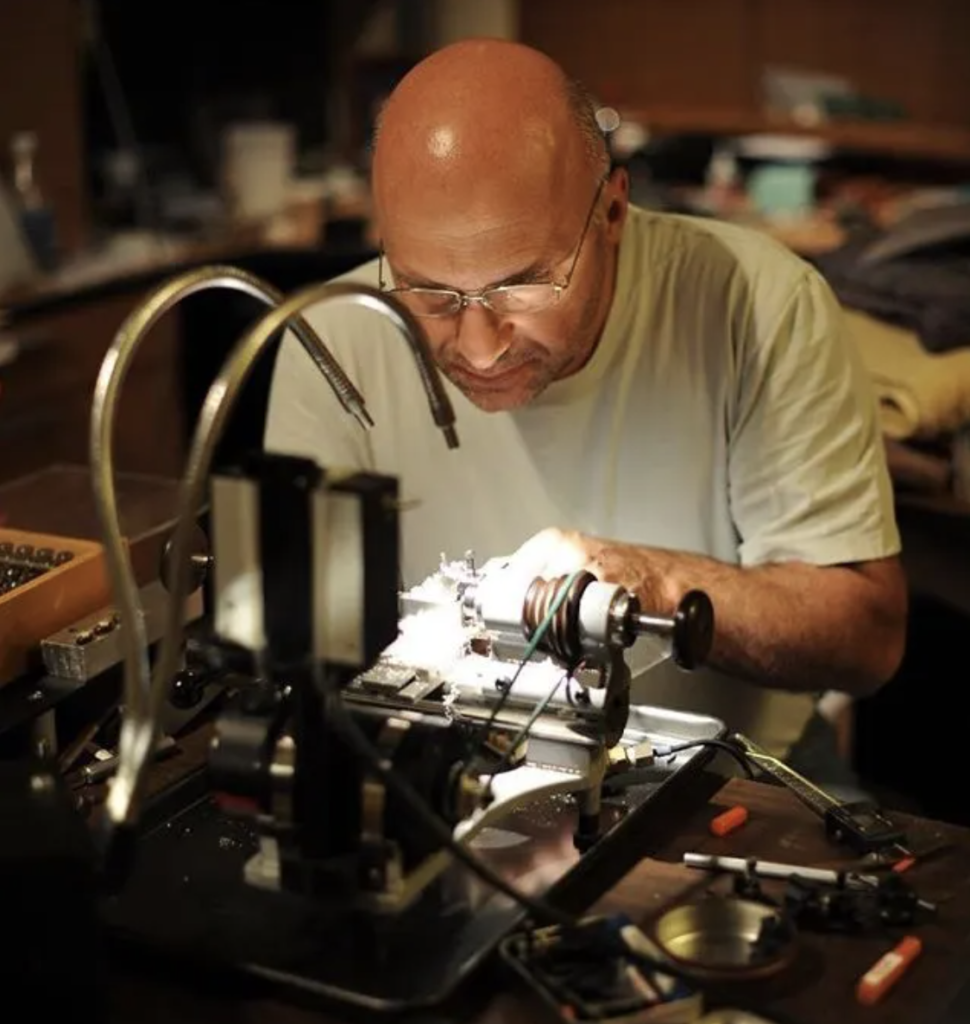
The creation of truly remarkable home furnishings requires an unwavering commitment to detail. It's a process that goes beyond simply assembling materials; it involves a deep understanding of design principles, a mastery of artisanal techniques, and a relentless pursuit of perfection. The skilled artisans employed by leading companies like those featured through resources similar to https://crown-golden.net, often inherit traditions passed down through generations, ensuring that age-old techniques continue to thrive. This dedication to craftsmanship is what sets superior pieces apart from mass-produced alternatives. The attention expended on seemingly minor elements – the curve of a leg, the texture of a finish, the precise alignment of a pattern – collectively contribute to the overall quality and aesthetic impact of the final product.
Consider the process involved in creating a handcrafted wooden table. It begins with the careful selection of the wood itself, prioritizing both beauty and structural integrity. Skilled woodworkers then shape and join the wood, employing techniques that enhance its natural grain and character. The finishing process, often involving multiple coats of varnish or lacquer, not only protects the wood but also adds depth and richness to its appearance. This commitment to meticulous detail extends to other materials as well, whether it's the hand-stitched upholstery of a luxurious armchair or the delicate hand-blown glass of a statement chandelier. The result is a piece that exudes quality and craftsmanship, a testament to the skill and dedication of the artisans involved.
The Importance of Material Selection
Beyond technique, the quality of the materials used plays a crucial role in achieving enduring beauty and functionality. High-quality materials not only look and feel better, they also withstand the test of time, resisting wear and tear and maintaining their aesthetic appeal for years to come. Sourcing these materials responsibly is also becoming increasingly important, with consumers seeking out products made from sustainable and ethically sourced resources. Many contemporary designers prioritize natural materials like solid wood, organic cotton, and genuine leather, appreciating their inherent beauty and durability.
Furthermore, the selection of materials should complement the overall design aesthetic. For example, a minimalist interior might benefit from the clean lines and smooth surfaces of polished metal and glass, while a more rustic space might call for the warmth and texture of reclaimed wood and woven fabrics. The interplay between materials and design is a key element of successful interior design, and it’s a factor carefully considered by those who commission work.
| Material | Durability | Aesthetic Qualities | Sustainability |
|---|---|---|---|
| Solid Wood | High | Warm, Natural, Versatile | Can be Sustainable if responsibly sourced |
| Metal (Steel, Brass) | Very High | Modern, Industrial, Sleek | Recyclable |
| Natural Stone | Very High | Luxurious, Timeless, Unique | Environmentally impactful extraction |
| Organic Cotton | Medium | Soft, Comfortable, Breathable | Sustainable with organic farming |
This thoughtful choice of materials, coupled with skilled craftsmanship, is what separates exceptional home furnishings from the commonplace.
Creating Cohesive Interior Spaces
Beyond individual pieces, the true art of interior design lies in creating cohesive spaces that reflect personal style and enhance daily living. This involves careful consideration of color palettes, textures, and the interplay between different elements. Selecting pieces that complement each other in terms of style, scale, and proportion is crucial for achieving a harmonious and balanced look. A common pitfall is overcrowding a space with too many disparate items, leading to a cluttered and disjointed feel. Instead, a more curated approach, focusing on quality over quantity, often yields more satisfying results. Resources like those offering collections akin to crown-golden.net can assist in finding cohesive pieces.
The layering of textures is another important aspect of creating visually interesting and inviting spaces. Combining different materials, such as soft fabrics, rough wood, and smooth metal, adds depth and dimension to a room. Incorporating patterns, whether through wallpaper, rugs, or upholstery, can also add personality and visual interest. However, it's important to use patterns judiciously, avoiding clashes and ensuring they complement the overall color scheme and style of the space. Finally, paying attention to lighting is essential for showcasing the beauty of your furnishings and creating the desired ambiance. A combination of ambient, task, and accent lighting can transform a room, highlighting key features and creating a warm and inviting atmosphere.
The Role of Color and Lighting
Color has a profound impact on our emotions and perceptions, and it plays a vital role in interior design. Different colors evoke different feelings, and the right color palette can transform a space from drab to dynamic. Neutral colors, such as grays, beiges, and whites, provide a versatile backdrop for other elements, while bolder colors can add drama and personality. Consider the psychology of color when making your selections, choosing shades that promote the desired mood and atmosphere.
Lighting, as previously mentioned, is equally important. Natural light is always preferable, but it’s often necessary to supplement it with artificial lighting. Different types of lighting serve different purposes, and a well-designed lighting scheme will incorporate a variety of sources. Ambient lighting provides overall illumination, task lighting focuses light on specific areas for activities like reading or cooking, and accent lighting highlights artwork or architectural features. By carefully manipulating color and lighting, you can create spaces that are both visually appealing and emotionally resonant.
- Consider the existing architectural style of your home.
- Develop a color palette that reflects your personal taste and desired mood.
- Layer textures to add depth and dimension.
- Use lighting to highlight key features and create ambiance.
- Don't be afraid to experiment and edit!
These principles are essential to orchestrating spaces that are not only beautiful to the eye but also conducive to well-being.
The Value of Investing in Quality
While budget considerations are always important, investing in high-quality furnishings is often a wise long-term decision. While cheaper alternatives may initially seem appealing, they often lack the durability and craftsmanship of well-made pieces, resulting in frequent replacements and ultimately costing more in the long run. Quality furnishings not only last longer but also retain their value better, making them a sound investment. Think of a beautifully crafted wooden chair or a hand-knotted rug – these are pieces that can be passed down through generations, becoming cherished heirlooms.
Furthermore, investing in quality supports skilled artisans and sustainable manufacturing practices. By choosing products made by companies that prioritize ethical sourcing and fair labor standards, you’re contributing to a more responsible and sustainable industry. This is a growing concern for many consumers, and it’s influencing purchasing decisions. When you opt for quality, you are not just acquiring a functional item; you are contributing to a broader ecosystem of craftsmanship, sustainability, and ethical production. It's a purchase with a conscience, one that reflects a commitment to both beauty and responsibility.
Long-Term Cost Analysis
A quick comparison might show a significant price difference between low-cost mass-produced furniture and higher-end, handcrafted pieces. However, a longer-term cost analysis often reveals that the investment in quality is more economical. Consider the cost of replacing a poorly made sofa every few years versus the cost of a well-constructed sofa that will last for decades. Factor in the cost of repairs and maintenance – quality pieces are often easier and less expensive to repair than cheaper alternatives. Also, consider the intangible benefits of owning beautiful, well-made items – the sense of pride and satisfaction that comes with surrounding yourself with objects of lasting quality.
Moreover, the environmental impact of frequent replacements should not be overlooked. Discarding furniture contributes to landfill waste, and the production of new furniture consumes resources and energy. By investing in durable, long-lasting pieces, you reduce your environmental footprint and contribute to a more sustainable lifestyle. Ultimately, the value of quality extends beyond mere financial considerations; it encompasses durability, craftsmanship, sustainability, and the enduring pleasure of owning something truly special.
- Assess your needs and lifestyle carefully.
- Prioritize quality over quantity.
- Research brands and materials.
- Consider the long-term cost of ownership.
- Choose pieces that you truly love.
Adhering to these ideas will help with making smart procurement decisions.
Transformative Interior Design Trends
The world of interior design is constantly evolving, with new trends emerging all the time. However, several key themes are currently shaping the landscape, emphasizing comfort, sustainability, and personalization. Biophilic design, which incorporates natural elements into indoor spaces, is gaining popularity, with designers using plants, natural light, and organic materials to create calming and restorative environments. Another trend is the emphasis on multifunctional spaces, particularly in smaller homes. Furniture that can serve multiple purposes, such as a sofa that converts into a bed or a dining table that expands to accommodate guests, is becoming increasingly sought after. And, of course, the desire for personalization remains strong, with individuals seeking out unique pieces that reflect their personal style and create a sense of individuality.
The focus is shifting away from rigid adherence to specific styles and towards a more eclectic and layered approach. Mixing different textures, patterns, and colors is becoming more common, creating spaces that feel curated and collected rather than perfectly coordinated. There is also a growing appreciation for vintage and antique pieces, which add character and history to a home. These trends underscore a broader cultural shift towards valuing authenticity, sustainability, and personalization in all aspects of life.
Beyond Aesthetics: Creating Functional and Harmonious Environments
While aesthetics are undoubtedly important, the ultimate goal of interior design is to create functional and harmonious environments that enhance well-being. This means carefully considering how a space will be used and designing it to meet the specific needs of those who inhabit it. Ergonomics – the study of how people interact with their environment – plays a crucial role in this process, ensuring that furniture and layouts are comfortable and supportive. The principles of universal design, which aim to create spaces that are accessible to people of all ages and abilities, are also gaining traction. Accessibility isn't merely a matter of compliance; it demonstrates a thoughtful approach to design.
Ultimately, a well-designed home is more than just a beautiful space; it’s a sanctuary, a place where you can relax, recharge, and connect with loved ones. It’s a reflection of your personality, your values, and your aspirations. By prioritizing quality, functionality, and sustainability, and by embracing the principles of thoughtful design, you can create a home that truly nurtures and inspires. Resources like those highlighting brands such as https://crown-golden.net can serve as excellent starting points for these endeavors, offering a curated selection of pieces that embody these values.