- Creative expression flourishes around spinkings for textile enthusiasts everywhere
- Understanding the Historical Roots of Spinking Techniques
- Exploring Different Techniques and Styles
- Materials and Tools for Spinking Projects
- Applications of Spinking Beyond Traditional Crafts
- The Future of Spinking and Emerging Trends
Creative expression flourishes around spinkings for textile enthusiasts everywhere
The world of textile arts is constantly evolving, with new techniques and materials emerging to inspire creativity. Among these, the practice of creating intricate designs using spinkings has garnered a dedicated following. This unique method, often involving carefully placed knots and loops, allows for the creation of truly one-of-a-kind pieces that blend artistry and skillful manipulation of fibers. It's a revival of traditional techniques, reimagined for a modern audience, and offers a fascinating avenue for both experienced crafters and those just beginning their journey into the world of fiber art.
The appeal of this craft lies in its versatility and the stunning textures that can be achieved. While traditionally associated with embellishing garments, its applications now extend to wall hangings, accessories, and even sculptural installations. The process itself can be incredibly meditative, offering a relaxing escape from the demands of daily life. Furthermore, the sustainable nature of many of the materials used – often repurposed fabrics and yarns – adds to its charm, appealing to environmentally conscious creators. It is a field ripe for experimentation and personal expression, and provides a canvas for artistic innovation.
Understanding the Historical Roots of Spinking Techniques
The history of techniques akin to spinking is rich and varied, stretching back through centuries of textile tradition. While the term 'spinking' itself might be relatively recent, the underlying principles—manipulating fibers to create raised or looped designs—have been employed in numerous cultures. Evidence of similar methods can be found in ancient embroidery techniques, where raised work was achieved through padding and careful stitching. In some regions, knotted pile fabrics, precursors to carpets and rugs, demonstrate a clear lineage to modern spinking practices. The impact of these historical techniques has continued to evolve with adaptation and new materials. The inherent human desire to embellish and add texture to fabrics has consistently driven innovation in this field, resulting in the fascinating evolution we observe today.
The influence of regional traditions is particularly noticeable. Different communities developed unique approaches, often dictated by available materials and cultural aesthetics. For example, techniques similar to spinking were utilized in creating elaborate trims and embellishments for ceremonial garments in several cultures. The exchange of these techniques through trade routes and cultural interactions further enriched the diversity of these practices. Today, contemporary artists are drawing inspiration from these historical precedents, reinterpreting them through a modern lens and incorporating new technologies and materials. This continual dialogue between past and present ensures that the art of spinking remains vibrant and relevant.
What is now termed ‘spinking’ owes a significant debt to the evolution of embroidery and knotting techniques historically. Early forms often relied heavily on silk threads, linen, and wool; however, modern practitioners now experiment with a far wider array of materials, including synthetic yarns and recycled fabrics. This broadening of material choices has opened up new possibilities for creative expression and has also contributed to the growing sustainability movement within the textile arts.
| Material | Typical Applications | Skill Level | Cost (Approximate) |
|---|---|---|---|
| Wool Yarn | Wall Hangings, Garment Embellishment | Beginner-Intermediate | $5 – $20 per skein |
| Silk Thread | Detailed Embroidery, Delicate Designs | Intermediate-Advanced | $10 – $50 per spool |
| Cotton Fabric Scraps | Textured Patches, Appliqué | Beginner | $0 – $10 (recycled materials) |
| Acrylic Yarn | Colorful Accents, Durable Projects | Beginner-Intermediate | $3 – $15 per skein |
The tools used in spinking can also be traced back to historical embroidery practices; however, there’s also been a shift to utilizing a wider range of implements. Traditional embroidery hoops, needles, and scissors remain essential, but many artists now incorporate specialized tools for creating specific types of knots and loops, as well as unique shaping techniques.
Exploring Different Techniques and Styles
The world of spinking encompasses a broad spectrum of techniques, each offering a unique aesthetic. Some practitioners favor tightly knotted designs, creating dense textures and intricate patterns. Others prefer looser, more open structures, which allow for greater play with light and shadow. One popular technique involves creating small, uniform loops that are then carefully arranged to form a larger design. Another approach focuses on building up layers of knots and loops, adding depth and dimension to the surface. The key is experimentation! Each style lends itself to different outcomes, meaning that the possibilities are as boundless as the artist’s creativity. A crucial aspect of developing as a spinker is learning and adapting techniques.
Further diversification arises from the types of materials employed. Bulky yarns create bold, sculptural effects, while finer threads allow for greater detail and precision. The use of contrasting colors and textures can further enhance the visual impact of the work. Many artists also incorporate beads, sequins, or other embellishments to add extra sparkle and dimension. Modern artists are continually repurposing unusual materials in their spinking work such as plastic bags and strips of old clothing.
- Needle Spinking: Utilizes a needle to create individual knots or loops.
- Looping: Involves forming continuous loops of yarn or thread.
- Knotted Spinking: Focuses on a variety of knotting techniques.
- Layered Spinking: Building up multiple layers to create depth.
- Freeform Spinking: Embraces improvisation and spontaneous design.
The choice of technique and materials often depends on the desired outcome and the artist's personal style. Understanding the properties of different fibers and how they behave when manipulated is crucial for achieving the best results. This involves considering factors such as texture, weight, and stretch. Experimentation is key, and often the most exciting discoveries come from pushing the boundaries of traditional methods.
Materials and Tools for Spinking Projects
Embarking on spinking requires a modest investment in materials and tools, though it’s possible to begin with relatively little. At its most basic, you’ll need some yarn or thread, a needle, and a pair of scissors. However, as you progress and explore more advanced techniques, you may find yourself wanting to expand your toolkit. Different types of yarn—wool, cotton, silk, acrylic—each lend unique characteristics to the final piece, influencing its texture, drape, and overall aesthetic. The choice of materials should align with the intended project and the desired effect. Consider the weight, color, and fiber content of the yarn when making your selection. For beginners, a variety pack of different yarns can be a useful way to experiment.
Beyond the basics, there are several tools that can simplify and enhance the spinking process. Embroidery hoops are useful for keeping fabrics taut while working, while tapestry needles have a blunt tip that makes them ideal for creating loops and knots. Specialty tools, such as latch hooks or knotting tools, can be used to create specific types of designs. It’s important to invest in quality tools that are comfortable to use and will last for many projects. The quality of the tools can indeed influence the outcome of the project. Cheap needles, for instance, can be easily bent or broken, causing frustration and potentially damaging your work.
- Gather Your Yarn or Thread
- Select a Suitable Needle
- Prepare Your Fabric (if applicable)
- Learn Basic Knotting Techniques
- Practice and Experiment
Sustainability is also a growing consideration for many spinkers, leading to increased interest in using recycled or repurposed materials. Old clothing, fabric scraps, and even plastic bags can be transformed into beautiful and unique artwork. This not only reduces waste but also adds a layer of personal meaning to the work. By consciously choosing sustainable materials, spinkers can contribute to a more environmentally responsible craft practice. Upcycling is a popular trend within the community.
Applications of Spinking Beyond Traditional Crafts
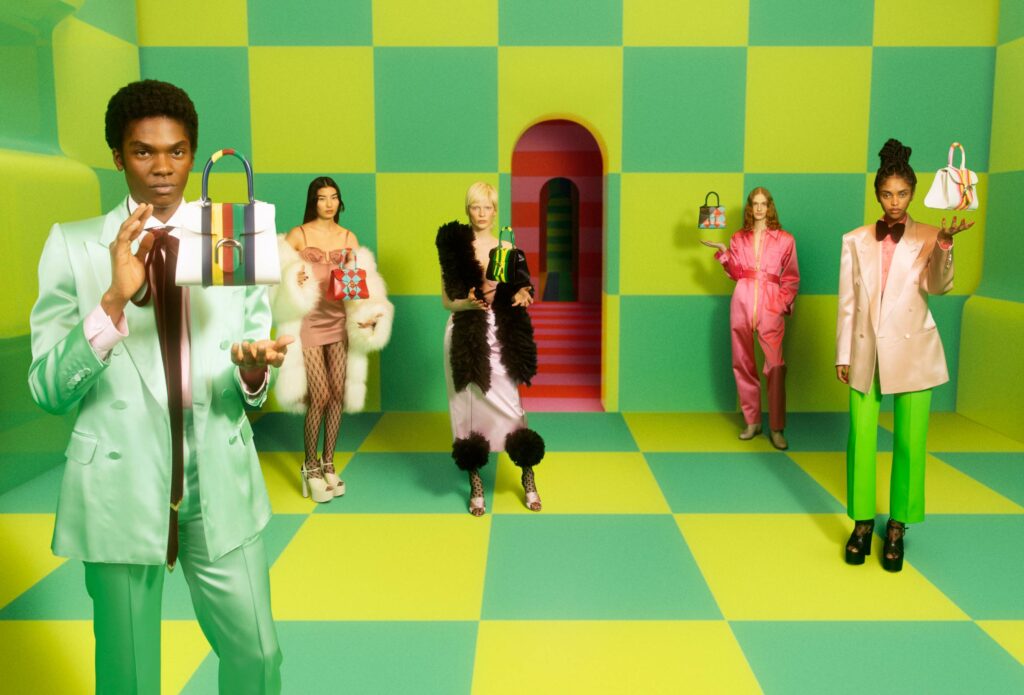
While spinking began as a niche technique within the fiber arts community, its applications are rapidly expanding beyond traditional crafts. Contemporary artists are embracing spinking as a medium for creating innovative and thought-provoking work. Many designers are incorporating spinking elements into fashion, adding texture and visual interest to garments and accessories. You’ll now find spinking utilized in both high-fashion and independent designer lines. The textural contrast and unique appearance of spinking make it a particularly appealing element for showcasing artistic expression within fashion. It's also being applied in interior design, with spinked wall hangings and sculptural installations becoming increasingly popular. These pieces add a touch of handmade artistry and tactile appeal to any space.
The use of spinking in mixed-media artwork is also gaining traction. Artists are combining spinking with painting, sculpture, and other techniques to create multi-layered and visually dynamic pieces. The textural qualities of spinking lend themselves well to this approach, adding depth and dimension to the artwork. Moreover, spinking offers a unique opportunity for collaboration between artists from different disciplines. For instance, a painter might work with a spinker to create a canvas that seamlessly integrates both mediums. This collaborative spirit fosters innovation and pushes the boundaries of artistic expression. The possibilities for integrating spinking into other art forms are truly limitless.
The Future of Spinking and Emerging Trends
The future of spinking appears bright, with a growing community of artists and enthusiasts driving innovation and expanding the possibilities of this versatile technique. A notable trend is the increasing focus on sustainability, with artists actively seeking out recycled and repurposed materials. This aligns with a broader movement towards ethical and environmentally conscious crafting practices. The use of natural dyes and eco-friendly yarns is also gaining popularity, further reducing the environmental impact of spinking projects. It's a shift that demonstrates a growing awareness of the need to balance artistic expression with environmental responsibility.
Another emerging trend is the integration of digital technologies into the spinking process. Artists are using computer-aided design (CAD) software to create intricate patterns and designs, which are then translated into spinked artwork. This allows for greater precision and complexity, opening up new avenues for creative exploration. The online community also plays a significant role in shaping the future of spinking, with artists sharing their techniques, ideas, and inspiration through social media platforms and online workshops. This fosters a sense of collaboration and allows for the rapid dissemination of new knowledge and skills. The sharing of knowledge allows for more creativity within the broader spinking community.